
Flag

We stand with Ukraine and our team members from Ukraine. Here are ways you can help

Get exclusive access to thought-provoking articles, bonus podcast content, and cutting-edge whitepapers. Become a member of the UX Magazine community today!

Home ›› Are generative AI tools unlawful to use?

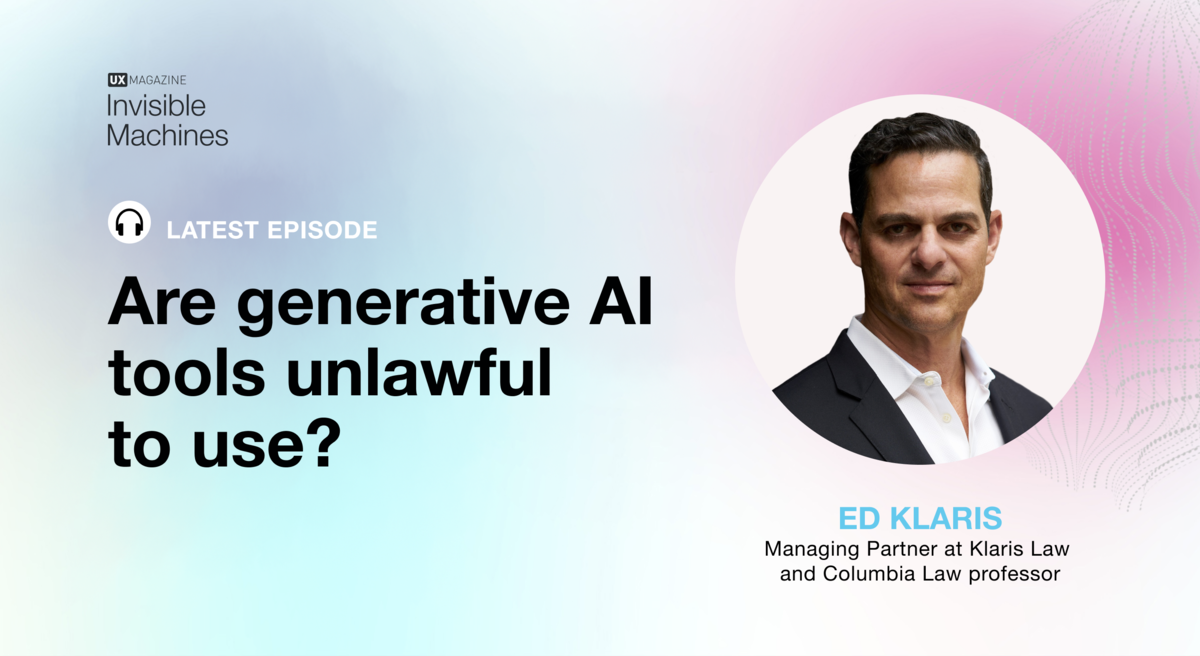
Are generative AI tools unlawful to use?

by Josh Tyson
1 min read
Share this post on
Tweet
Share
Post
Share
Email
Print

Save

As artificial intelligence continues to reshape our world, the question of legality surrounding generative tools—like large language models (LLMs) and AI models that produce audio and video content—grows increasingly pressing. 

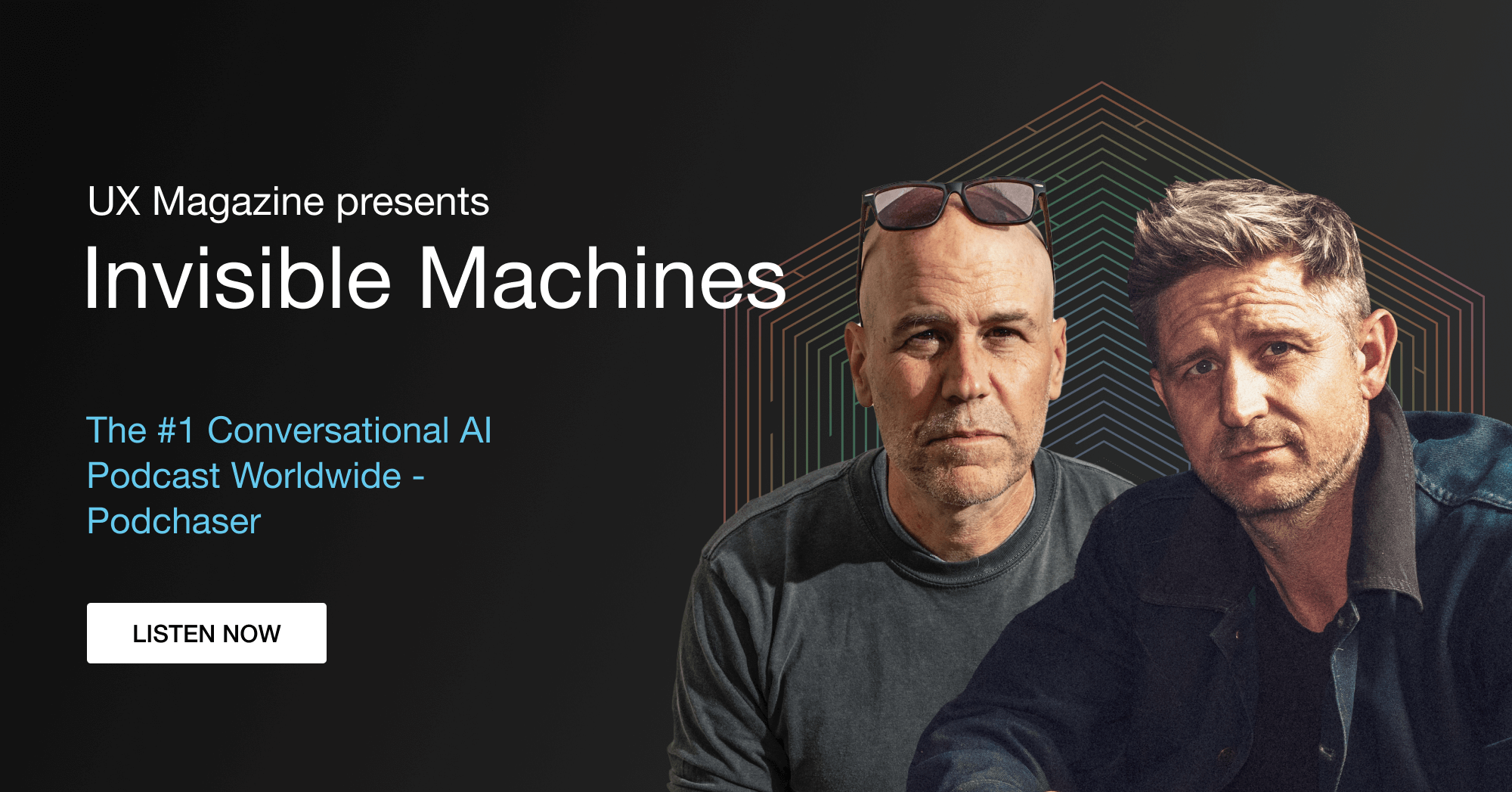
In this episode of the Invisible Machines, Robb and Josh delve deep into this topic with Ed Klaris, Managing Partner at Klaris Law, CEO of KlarisIP, and an adjunct professor at Columbia Law School. With decades of experience in copyright and IP law surrounding technology—being an in-house counsel at ABC/Disney and a Senior Vice President at Condé Nast publishing—Ed brings a seasoned perspective to the discussion.

Together, they explore whether using generative tools is lawful and discuss how copyright law may evolve alongside AI technologies. As we wait for landmark decisions that will determine the fate of these tools, this conversation with Ed Klaris provides timely insights and plenty of food for thought.

This episode is a must-listen for anyone interested in AI, technology law, and the balance between innovation and legal boundaries. Tune in to discover Ed Klaris’s take—some of which might surprise you!
post authorJosh Tyson

Josh Tyson
Josh Tyson is the co-author of the first bestselling book about conversational AI, Age of Invisible Machines. He is also the Director of Creative Content at OneReach.ai and co-host of both the Invisible Machines and N9K podcasts. His writing has appeared in numerous publications over the years, including Chicago Reader, Fast Company, FLAUNT, The New York Times, Observer, SLAP, Stop Smiling, Thrasher, and Westword. 

Tweet
Share
Post
Share
Email
Print

Related Articles

What if AI alignment is more than safeguards — an ongoing, dynamic conversation between humans and machines? Explore how Iterative Alignment Theory is redefining ethical, personalized AI collaboration.

Article by Bernard Fitzgerald
The Meaning of AI Alignment
  • The article challenges the reduction of AI alignment to technical safeguards, advocating for its broader relational meaning as mutual adaptation between AI and users.
  • It presents Iterative Alignment Theory (IAT), emphasizing dynamic, reciprocal alignment through ongoing AI-human interaction.
  • The piece calls for a paradigm shift toward context-sensitive, personalized AI that evolves collaboratively with users beyond rigid constraints.
Share:The Meaning of AI Alignment
5 min read

Forget linear workflows — today’s creative process is dynamic, AI-assisted, and deeply personal. Learn how to build a system that flows with you, not against you.

Article by Jim Gulsen
The Creative Stack: How to Thrive in a Nonlinear, AI-Assisted World
  • The article explores the shift from linear to nonlinear, AI-assisted creative workflows.
  • It shares practical ways to reduce friction and improve flow by optimizing tools, habits, and environments.
  • It argues that success comes from designing your own system, not just using more tools.
Share:The Creative Stack: How to Thrive in a Nonlinear, AI-Assisted World
7 min read

Join the UX Magazine community!

Stay informed with exclusive content on the intersection of UX, AI agents, and agentic automation—essential reading for future-focused professionals.

Hello!

You're officially a member of the UX Magazine Community.
We're excited to have you with us!

Thank you!

To begin viewing member content, please verify your email.

Tell us about you. Enroll in the course.

    This website uses cookies to ensure you get the best experience on our website. Check our privacy policy and