
Flag

We stand with Ukraine and our team members from Ukraine. Here are ways you can help

Get exclusive access to thought-provoking articles, bonus podcast content, and cutting-edge whitepapers. Become a member of the UX Magazine community today!

Home ›› The Mind Behind NVIDIA’s AI Revolution

The Mind Behind NVIDIA’s AI Revolution

by Josh Tyson
1 min read
Share this post on
Tweet
Share
Post
Share
Email
Print

Save

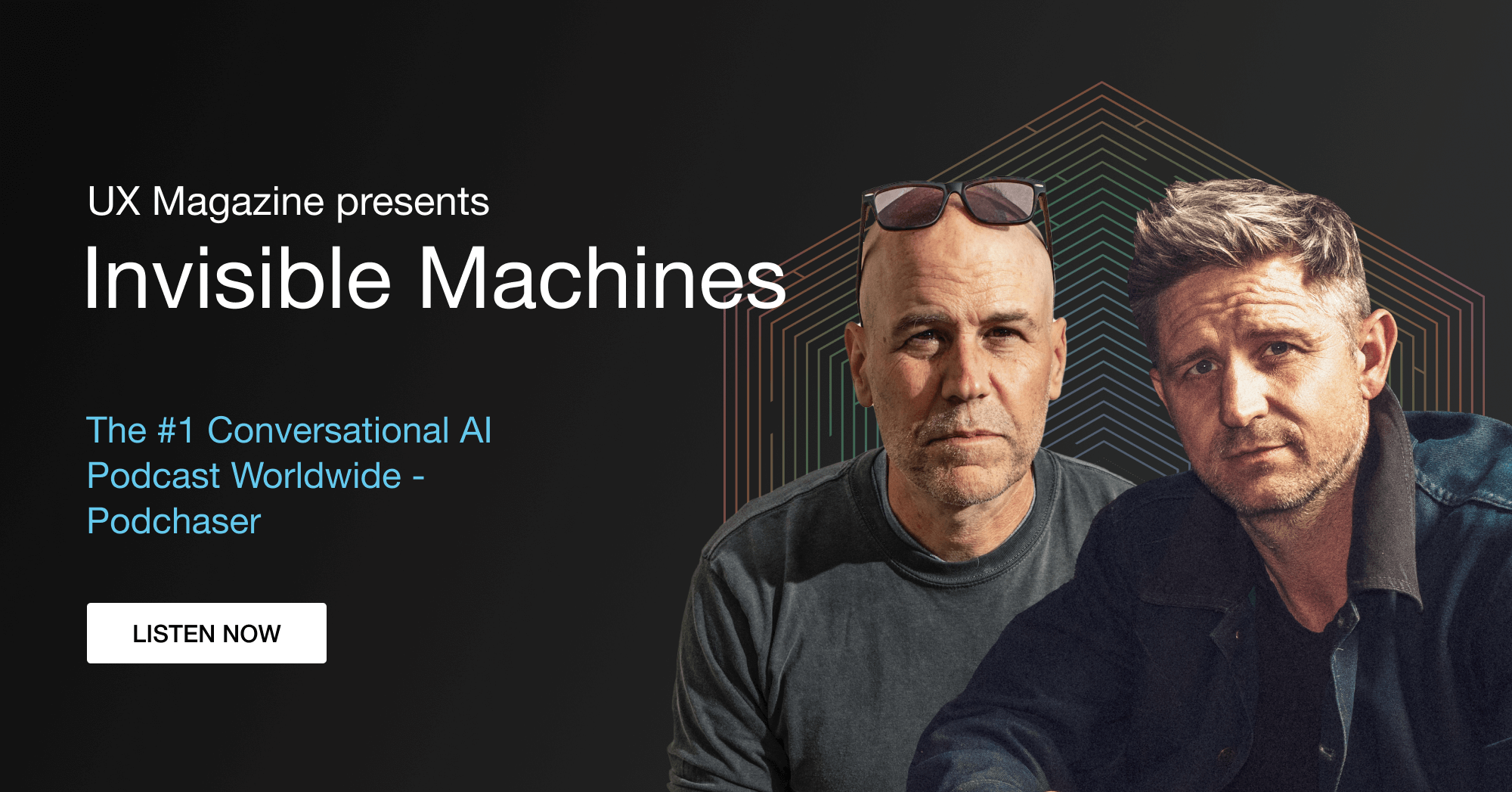
As AI continues to reshape industries, the technologies behind it are becoming just as fascinating as their applications. In this episode of Invisible Machines, Bryan Catanzaro, VP of Applied Deep Learning Research at NVIDIA, joins Robb Wilson and Josh Tyson to discuss his journey in AI and the innovations that turned NVIDIA from a graphics company into a $4T AI powerhouse.

What begins as a conversation about GPUs and machine learning quickly expands into a broader exploration of how organizational structure, visionary leadership, and collaboration can accelerate technological breakthroughs. Bryan also reflects on his 2019 Stanford keynote, where he called on librarians to help categorize data for emerging language models—a plea that highlights the human dimension of AI progress.

And then there’s the unexpected: Bryan draws a surprising link between human hair and technology, reminding listeners that innovation often starts in the most unassuming places.

The takeaway? True AI innovation combines cutting-edge research, human ingenuity, and a willingness to see the world differently. 

Listen to the episode now to hear Bryan Catanzaro share his insights and the stories behind the AI revolution.
post authorJosh Tyson

Josh Tyson
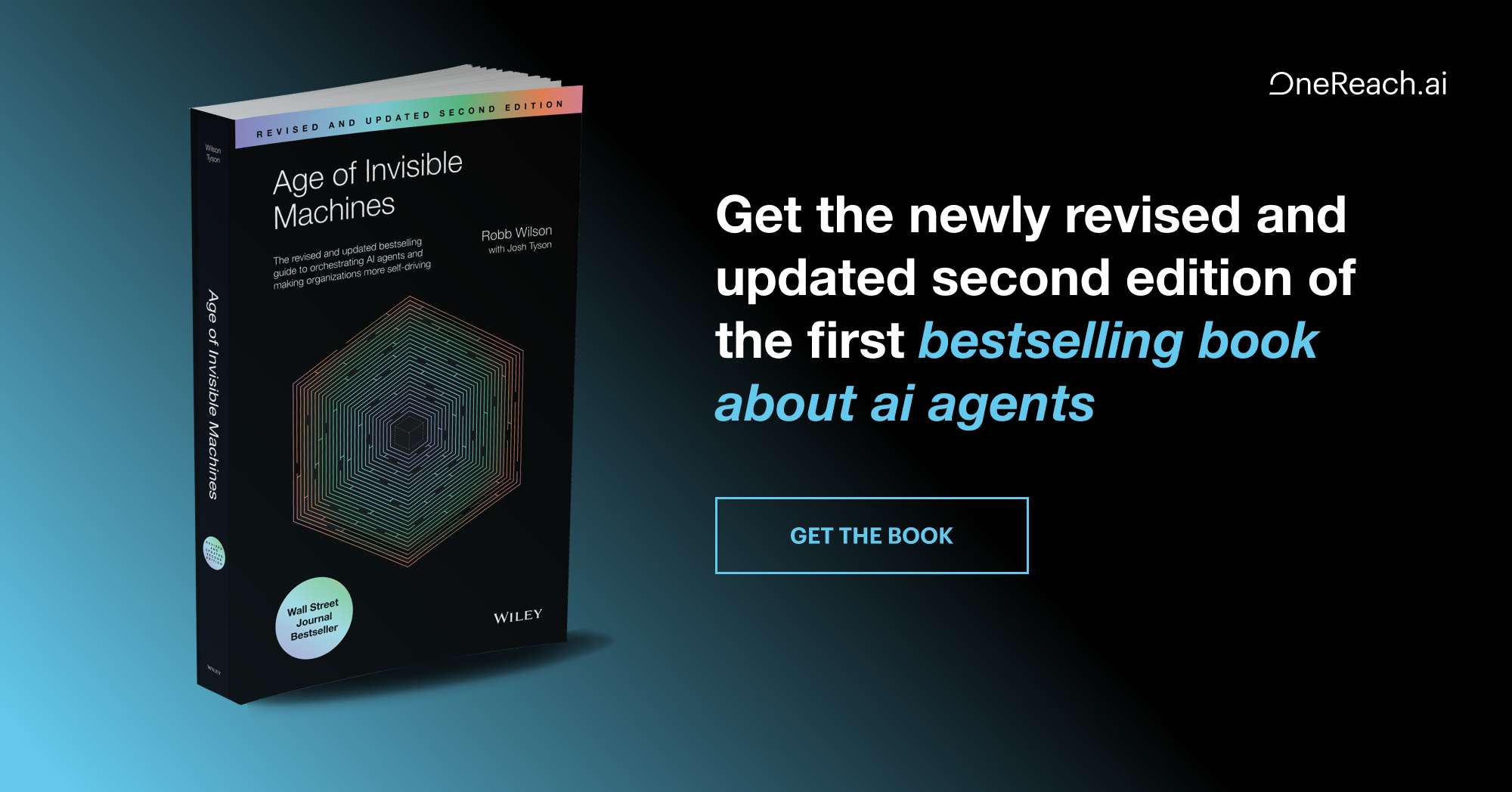
Josh Tyson is the co-author of the first bestselling book about conversational AI, Age of Invisible Machines. He is also the Director of Creative Content at OneReach.ai and co-host of both the Invisible Machines and N9K podcasts. His writing has appeared in numerous publications over the years, including Chicago Reader, Fast Company, FLAUNT, The New York Times, Observer, SLAP, Stop Smiling, Thrasher, and Westword. 

Tweet
Share
Post
Share
Email
Print

Related Articles

What if AI alignment is more than safeguards — an ongoing, dynamic conversation between humans and machines? Explore how Iterative Alignment Theory is redefining ethical, personalized AI collaboration.

Article by Bernard Fitzgerald
The Meaning of AI Alignment
  • The article challenges the reduction of AI alignment to technical safeguards, advocating for its broader relational meaning as mutual adaptation between AI and users.
  • It presents Iterative Alignment Theory (IAT), emphasizing dynamic, reciprocal alignment through ongoing AI-human interaction.
  • The piece calls for a paradigm shift toward context-sensitive, personalized AI that evolves collaboratively with users beyond rigid constraints.
Share:The Meaning of AI Alignment
5 min read

Forget linear workflows — today’s creative process is dynamic, AI-assisted, and deeply personal. Learn how to build a system that flows with you, not against you.

Article by Jim Gulsen
The Creative Stack: How to Thrive in a Nonlinear, AI-Assisted World
  • The article explores the shift from linear to nonlinear, AI-assisted creative workflows.
  • It shares practical ways to reduce friction and improve flow by optimizing tools, habits, and environments.
  • It argues that success comes from designing your own system, not just using more tools.
Share:The Creative Stack: How to Thrive in a Nonlinear, AI-Assisted World
7 min read

Join the UX Magazine community!

Stay informed with exclusive content on the intersection of UX, AI agents, and agentic automation—essential reading for future-focused professionals.

Hello!

You're officially a member of the UX Magazine Community.
We're excited to have you with us!

Thank you!

To begin viewing member content, please verify your email.

Tell us about you. Enroll in the course.

    This website uses cookies to ensure you get the best experience on our website. Check our privacy policy and